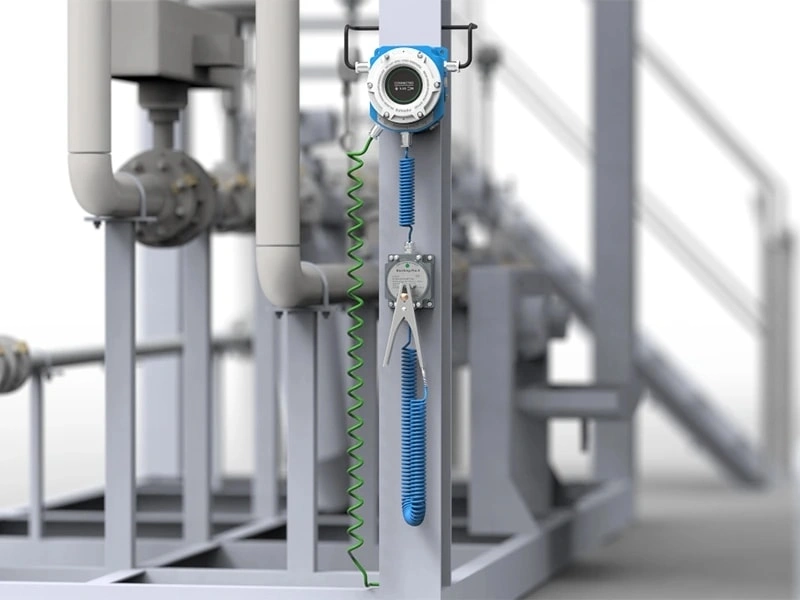
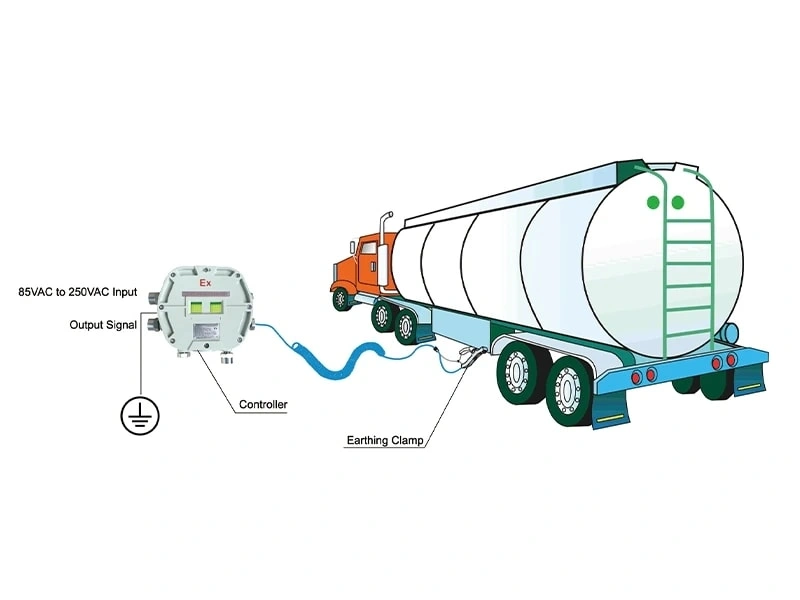
In tank truck loading, overfill protection should be a loading permission system, not only a warning light. A modern controller checks whether the tanker, probe circuit and grounding condition are ready before product transfer starts, and it continues monitoring these conditions throughout loading.
This type of design is widely used in mature loading safety systems. The controller works as the safety decision point between the tanker and the loading rack: if all conditions are normal, loading is permitted; if any unsafe or unknown condition appears, loading is stopped or locked out.
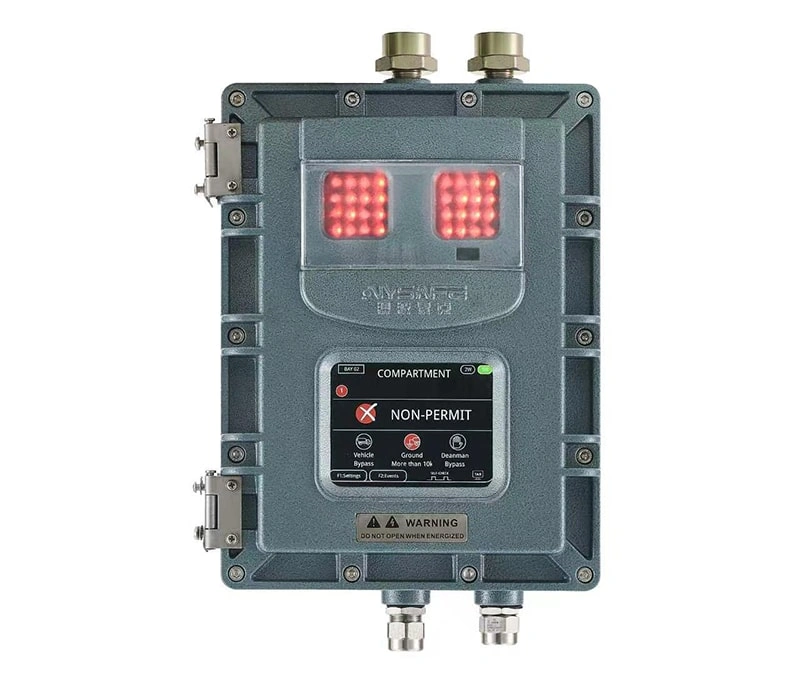
A complete overfill prevention controller normally checks several conditions at the same time:
Whether the tanker plug is correctly connected to the loading socket
Whether each overfill probe circuit is detected correctly
Whether all monitored compartments are in dry status
Whether there is an open circuit, short circuit or abnormal signal
Whether static grounding is verified, if grounding protection is integrated
Whether the controller output is ready to provide loading permission
Only when these conditions are satisfied should the controller provide a permissive signal to the loading system.
The probe is installed at the high-level point of each tanker compartment. During normal loading, the probe remains dry. When liquid reaches the probe, its signal changes and the controller immediately removes loading permission.
For reliable protection, the controller also needs to check the health of the circuit. If the probe is disconnected, wiring is damaged, the plug/socket contact is poor, or the signal is outside the expected range, the controller should treat the condition as unsafe.
This fail-safe logic is important. The loading system should not continue simply because the controller cannot read the tanker probe correctly.
In hazardous liquid loading, overfill prevention is often combined with static grounding verification. The controller can confirm that the tanker is properly connected and grounded before allowing loading.
If grounding is lost during operation, or if the tanker connection becomes abnormal, the controller removes the permissive output. This helps reduce both spill risk and ignition risk at the loading rack.
The controller output can be connected to the site control system as a loading permissive. Typical interlock points include:
Pump start circuit
Loading valve control
Batch controller permissive input
Emergency shutdown or loading stop logic
Audible and visual alarm devices
When all safety conditions are normal, the controller allows loading. When a wet probe, wiring fault, poor connection or grounding fault is detected, the controller changes state and the loading process is stopped or prevented from starting.
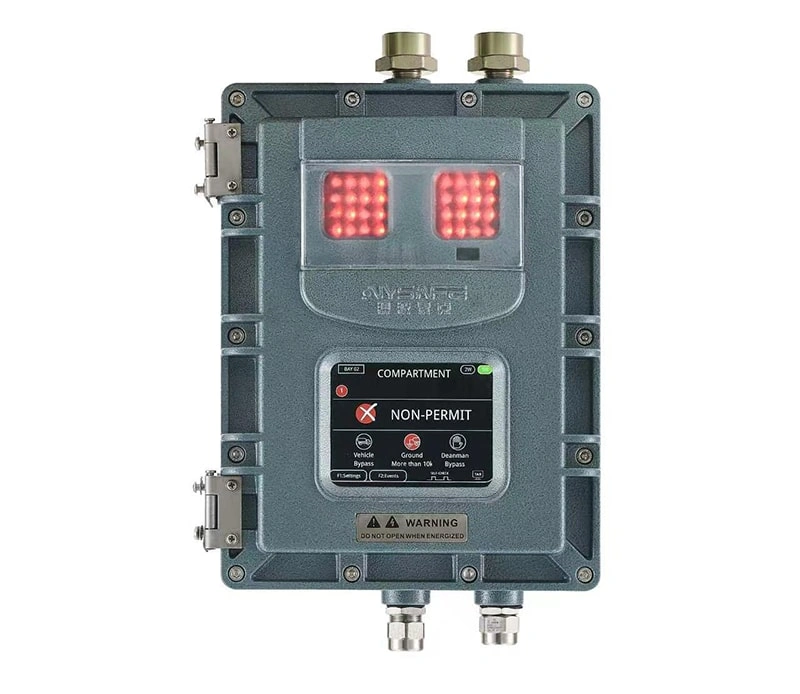
A practical controller should give operators clear status information, not just a single alarm. Useful indications include:
Ready-to-load status
Wet probe alarm
Probe or wiring fault
Compartment/channel status
Grounding status
Interlock output status
These indications help operators quickly distinguish between a real high-level condition and a maintenance issue such as a damaged cable or poor socket contact.
ALPTEC provides overfill prevention and grounding verification solutions for tanker loading applications.
FlexPerm 2.0 is designed to monitor tanker probe status, verify loading conditions, indicate compartment status and output alarm/interlock signals to help prevent unsafe loading. ALPTEC also offers SLA-S-Y-EN and SLA-S-Y-API systems, optical sensors, sockets and grounding accessories for complete loading bay protection.
An overfill prevention controller is the core of the loading safety chain. It continuously verifies probe status, circuit integrity, tanker connection and grounding condition, then sends a permissive or shutdown signal to pumps, valves or the batch controller.
By combining detection, self-checking and interlock control, the system helps stop loading before overfill occurs and supports safer tank truck loading operations.
In hazardous area loading, unloading, filling, and transfer operations, static grounding is not only about connecting a clamp. It is also about verifying whether the grounding connection is effective, visible, and controllable throughout the operation.
In tanker loading applications, overfill prevention is one of the most important safety functions at the loading rack. A reliable system must confirm that the tanker connection is correct, the probe circuit is healthy, and the loading process can be stopped before product reaches an unsafe level.
In tank truck loading, overfill protection should be a loading permission system, not only a warning light. A modern controller checks whether the tanker, probe circuit and grounding condition are ready before product transfer starts, and it continues monitoring these conditions throughout loading.
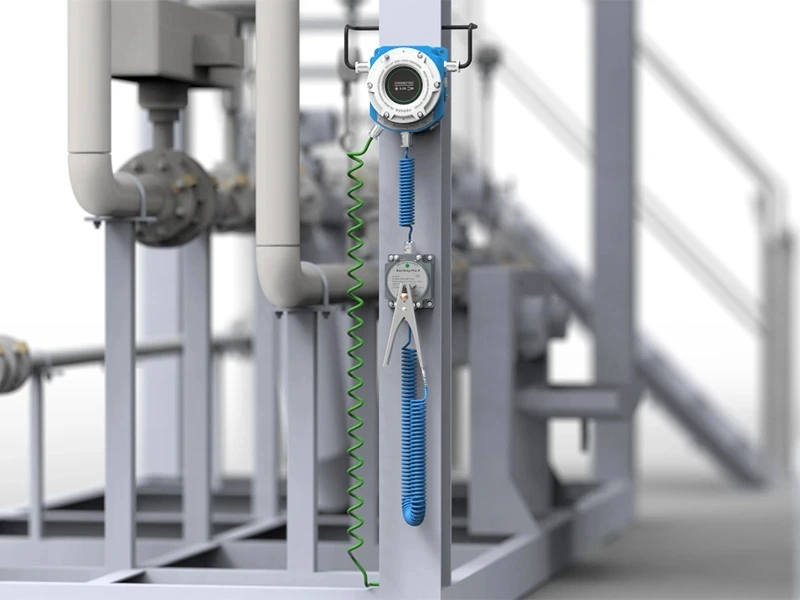
ALPTEC Earthing Pro provides real-time resistance monitoring, alarms, relay interlock, and Modbus communication for tank truck loading, fuel terminals, chemical plants, drums, rail tank cars, and FIBC applications.
This year, ALPTEC proudly celebrates its 30th anniversary, marking an important milestone in the company’s development and a meaningful new starting point for the future.
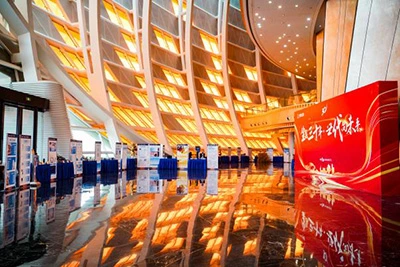
In the vibrant midsummer of July, Alptec proudly celebrated an important milestone in its development. On July 6, 2022, the company officially opened Aoshi Industrial Park in the Hongshiya Comprehensive Bonded Zone and successfully relocated to its second office campus.
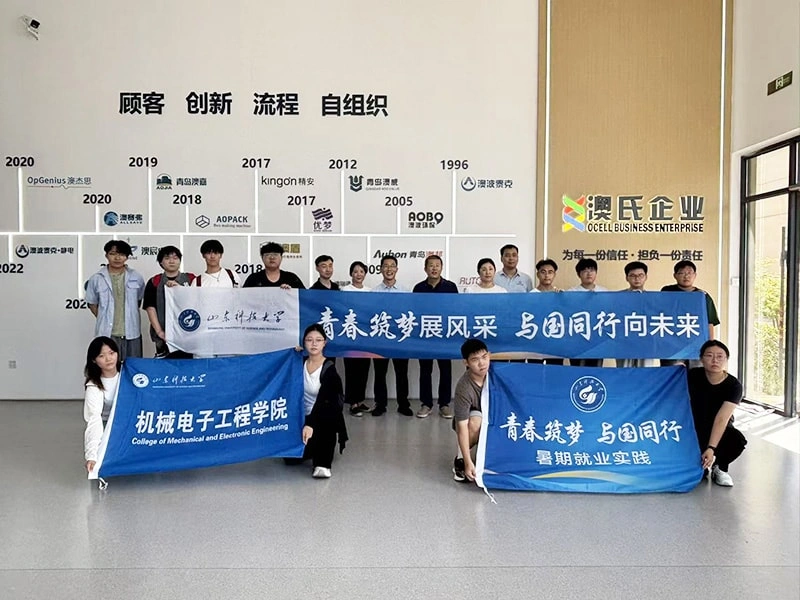
To deepen university-enterprise collaboration and attract outstanding talent, On August 21, Shandong University of Science and Technology's School of Mechanical and Electrical Engineering invited Chen Meng, Party Secretary; Fan Yuhua, Director of Student Affairs Office (Secretary of Youth League Committee); along with counselors Song Kuo and Ma Wenhao to lead representatives of the Class of 2026 undergraduate graduates to Qingdao Aobo Technology Automation Co., Ltd. for an enterprise visit, job exploration, and summer employment practice activity. This event aimed to further promote industry-academia-research integration through on-site tours, technical exchanges, and job matching.
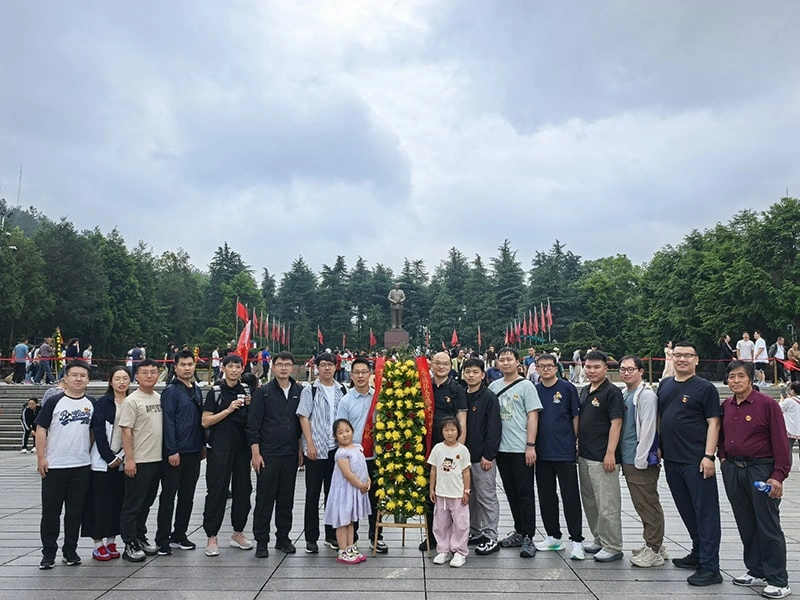
The Qingdao AoboTec Automation team traversed the undulating landscapes of western Hunan on foot. This journey was not only a pilgrimage to nature's awe-inspiring creations but also a moving symphony of team cohesion and mutual inspiration forged amidst the mountains and rivers.
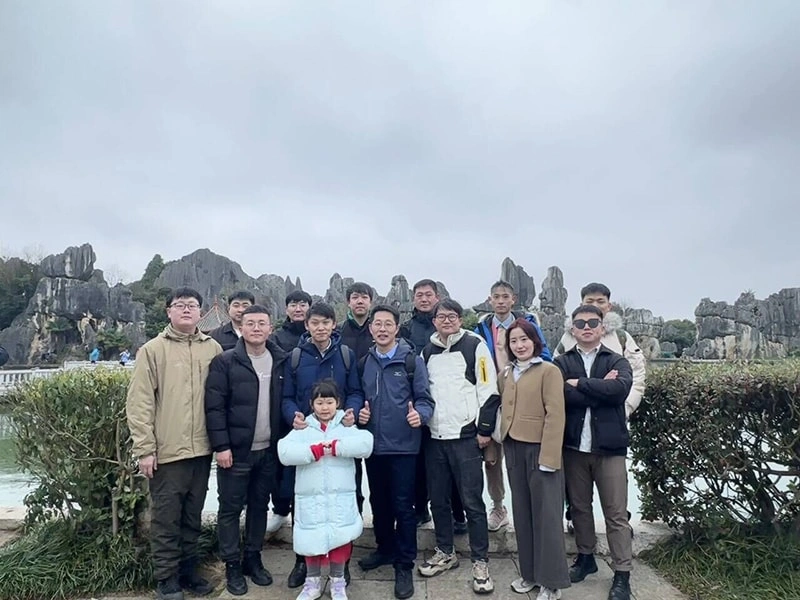
As the northern sea winds temporarily ceased, we at Qingdao Aobo Automation turned our gaze toward that distant land brimming with poetry and mystery—Yunnan. This journey across mountains and seas was not merely to behold breathtaking landscapes, but to forge team bonds amidst nature and draw strength for the road ahead. Now, let us revisit this unforgettable “wind, flowers, snow, and moon” adventure!
Copyright © 2026 by Qingdao Alptec Automation Co.,Ltd. All Rights Reserved
PRIVACY POLICY